If you’ve been putting up with IBS for months or years, at some point you’ll start Googling how much it might cost to see an IBS nutritionist. If you want to skip ahead, I have a free 30-minute discovery call available
This blog post covers typical UK prices for private IBS nutritionists in 2026, what’s usually included, why packages almost always beat single sessions, what the NHS diet support looks like, and whether it’s actually worth the money. I’ll tell you what I charge and what the rest of the UK market tends to charge based on my research.
The short answer
- A single session with a nutritionist in the UK typically costs £80 to £250 for the initial consultation, and £60 to £180 for follow-ups. (Find out why I don’t do single sessions below.)
- Most IBS specialists work in packages or programmes because one session isn’t really going to help you address a chronic condition such as IBS. Packages typically run from £400 to £2,000 depending on length, what’s included and practitioner experience.
- Online support is usually the same price as in-person. Since the pandemic most people are more comfortable talking to health practitioners online because it gives you access to practitioners who specialise in IBS regardless of where you live.
- A dietitian on the NHS is free with a GP referral, but waiting lists can be several months and sessions are usually time-limited.
- Whether a nutritionist is worth it depends on where you’re at now. How much have you already spent on supplements, tests, failed diets, missed events?
Typical UK IBS nutritionist pricing in 2026
Prices vary more than I expected when I did this research. Here’s what the current UK market looks like based on publicly published fees from registered dietitians and nutritional therapists specialising in gut health (as at May 2026).
| Service | Lower end | Upper end |
| Initial consultation (60-90 mins) | £80 | £250 |
| Follow-up session (30-60 mins) | £60 | £180 |
| 3-month package / programme | £600 | £2,000 |
| 6-month package | £1,000 | £3,500 |
| One-off strategy session (90 mins) | £100 | £350 |
| Group programme (cohort-based, varying length) | £200 | £1000 |
What drives this huge variation? Some things you might notice:
- Specialism and experience: IBS-specific practitioners with more than five years experience usually charge more than general nutritionists.
- Location: London-based in-person clinics (Harley Street, Mayfair) charge significantly more than regional clinics or online practitioners. Unfortunately this doesn’t always mean they are better practitioners, just that they have an expensive office.
- Support model: A three-month programme that includes weekly calls, meal ideas, symptom tracking, a client portal and email support costs more than an hour’s call and a PDF. Look at what you’re actually getting, not just the headline price.
- Reputation and platform: Published authors, practitioners with podcasts or national press credits tend to charge at the upper end of the market, reflecting demand.
What’s do you get for your money?
The hourly rate often doesn’t tell you much. For a proper IBS programme, you should expect some or all of the following.
- The consultation itself: The initial session is usually 60 to 90 minutes. This is where a good practitioner should take a detailed history, look at your symptoms, diet diary, test results, medication, sleep, stress, and bowel habits. If the first session is 30 minutes and you only talk about food, that’s a red flag.
- A personalised plan: Not a generic PDF for the low FODMAP diet. A real IBS plan should be tailored to your symptoms, your lifestyle, what you’ve already tried, and what makes sense to change first.
- Resources: Meal ideas, recipes, a symptom tracker, food-reintroduction templates, guides for specific diets like low FODMAP. These should be included, not sold separately.
- Between-session support: Many good practitioners include email or message support between sessions. This is where a lot of the practical work actually happens.
- Follow-up calls: Weekly at the start, tapering as things improve. How often you meet makes a difference. If you’re only meeting monthly and can’t communicate between sessions that’s different to a weekly call with emails / messages in between.
- Testing recommendations: If relevant, a practitioner may recommend stool tests, breath tests (for SIBO) or functional testing. These are almost always extra and should be priced transparently.
Why packages usually beat single sessions
You’ll see a lot of IBS practitioners work in three to six month programmes rather than single sessions. Here’s why I chose this for Goodness Me Nutrition.
- IBS isn’t an overnight fix: There’s no treatment pathway that produces reliable improvement in one appointment. Food reintroduction, gut motility work and stress-pattern changes all take weeks to test properly. A single session is often a very expensive conversation.
- Packages are usually better value: A three-month package that includes weekly calls, meal plans, between-session support and a portal of resources often works out cheaper per contact hour than paying for the same things separately (not that you’re always paying by the hour).
- Continuity: The practitioner knows your history, your patterns, what you’ve already tried. You don’t spend half of each session re-explaining yourself.
- Accountability: Most clients realise that they need a structured period of focused attention. A package gives someone to be accountable to.
If you genuinely only have one question (“is the low FODMAP diet right for my situation?”, “what should I do about my SIBO test results?”), a one-off strategy session can work. For anyone who has been dealing with IBS for more than a few months, a package is almost always the better investment.
Hidden extra costs to watch for
A few costs tend to get bolted on and catch people out. Ask about these upfront.
- Functional testing: A comprehensive stool analysis can be £250 to £500. A SIBO breath test is typically £150 to £200. Food intolerance tests (usually not worth it) are £100 to £300. Some practitioners push tests hard as part of the programme because they get commission from selling you a test.
- Supplement protocols: Probiotics, digestive enzymes, botanicals. These can easily reach £80 to £200 a month. A good practitioner keeps this minimal, evidence based, and only uses supplements when clinically justified.
- Renewal or continuation costs: If a programme is six weeks and you realise in month three you need more help, what does that extra cost look like? Check the renewal price.
Is an NHS dietitian support really free?
Yes, with a GP referral. It’s worth considering, but it’s not always the right fit for everyone.
How NHS dietitian support for IBS usually works:
- You need a GP referral. Not every GP will refer for IBS specifically because the remit is so large. Some will only refer if you meet certain criteria.
- Waiting lists vary wildly across the UK. Some trusts see people within a few weeks. Others have waiting lists of six months or more.
- You’ll typically get two to four sessions, usually 20 to 45 minutes each. Enough to get you started on the low FODMAP diet, but rarely enough for the full reintroduction process.
- NHS dietetic services are excellent for the groundwork, but tend to be time-limited and protocol-based. If your IBS is more complex or you suspect SIBO, you may hit the edge of what they can offer.
Private support is usually worth the cost when you want faster access, a longer engagement, more personalisation, support outside the NHS protocol, or help for things like SIBO that the NHS doesn’t usually test for routinely.
Does private health insurance cover an IBS nutritionist?
Dietitians are more often covered than nutritional therapists. If you have Bupa, AXA Health or Vitality, there’s a reasonable chance your policy covers dietetic consultations, usually with a GP referral, usually with pre-authorisation, and usually limited to a fixed number of sessions.
Nutritional therapists are less commonly covered, although this is changing as CNHC registration becomes more widely recognised. Always check your specific policy wording before assuming. Also check any Employee Assistance Programme (EAP) benefits through your employer. Some corporate wellness budgets include nutritional support.
Is an IBS nutritionist worth the money?
The honest answer is: it depends on what you compare it to. If you stack a nutritionist’s fee against the average Friday night takeaway, it sounds steep. If you stack it against your ongoing cost of untreated IBS, it might feel different.
Here’s what most clients spend on their IBS before they speak to a specialist:
- Supplements that didn’t really help: Probiotics, digestive enzymes, apple cider vinegar, fibre supplements. £50 to £150 a month is normal. Over two years that’s £1,200 to £3,600.
- Tests you weren’t sure you needed: Private breath tests, intolerance tests, sometimes stool tests ordered off the internet. £200 to £600.
- Books, courses and programmes that didn’t land: Unused cookbooks, online courses, apps. £100 to £400.
- Expensive shopping habits: Restrictive eating over time leads to extra grocery costs, specialist ingredients, gluten free bread, dairy free chocolate. This can be hard to price but often adds up.
- Life stuff avoided: Cancelled trips, missed dinners, declined work opportunities. Again, it’s hard to put a number on this but often the biggest line item.
If proper, focused help gets you to a place where you’re not afraid of eating out, don’t spend 30 minutes on the toilet before work, and can travel without mapping every bathroom on the route, most people conclude the programme fee was the cheapest part of their IBS journey.
Paying £1,500 for the wrong programme with the wrong practitioner is worse than paying £2,000 for the right one.
Common questions about an IBS nutritionist cost
Why do some nutritionists charge £250 and others £1300?
Experience, specialism and location. A newly qualified practitioner working from home will charge less than someone with ten years of clinical experience, a published book and a specialism in IBS and SIBO. Neither is automatically better. Match the price to the complexity of your situation.
Can I just buy one session to get started?
Some practitioners offer that. It can work if you have a very specific question. For ongoing IBS work, a package almost always gives better results and better value per contact hour.
Do I pay upfront for a package?
It varies. Some practitioners take the full fee upfront, some offer monthly instalments, and some split into two or three payments. Always ask. Most practitioners will add a discount to pay upfront because this reduces admin time.
Is it more expensive online or in person?
Usually very similar. Online is sometimes slightly cheaper because there’s no clinic overhead, but most experienced practitioners charge the same regardless, since the work is the same.
How do I know if I’m getting value for money from my IBS nutritionist?
If you leave the first session with a clear plan, you feel listened to rather than processed, and within a few weeks you see noticeable changes in at least one symptom. If none of that is happening, raise it with your practitioner directly. A good one will want to know.
I always have a formal check in with my clients halfway through the 3 month Gut Reset and offer space for feedback at regular intervals.

The bottom line
A private IBS nutritionist in the UK is not a small spend, but in most cases it replaces a lot of smaller spends that weren’t getting you anywhere. The value isn’t how many hours you’re getting with them (although it can be a helpful comparison). But if you get the trial-and-error treadmill it could be worth it.
If you’d like to see how my 3-month Gut Reset programme is priced and what’s included, you can read about it on the consultations page. Or, if you’d rather talk it through first, I offer a free 30-minute discovery call. I’ll explain what I do, and ask about what you’ve tried so we can decide whether working together would be a fit.

IBS Nutritionist
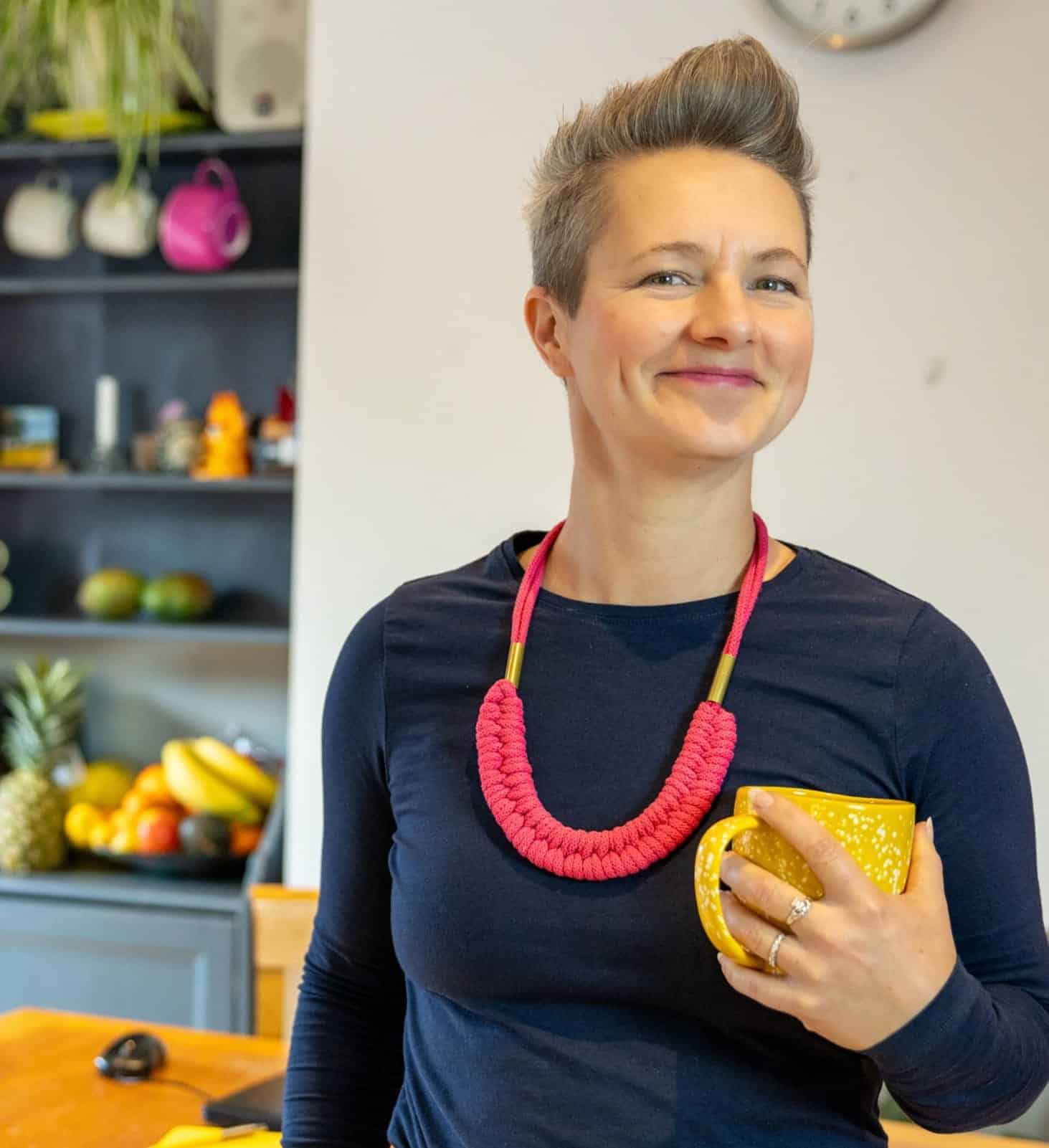
Hi, I’m Anna Mapson, registered Nutritional Therapist.
I help people with IBS and SIBO get control of unpredictable gut symptoms to find long term relief from painful and embarrassing IBS without restrictive dieting.
I can help you to:
- understand your digestion better, so you recognise your triggers
- eat a well balanced diet, with tasty meals that are simple to prepare
- reintroduce your trigger foods so you can get back to enjoying food again
Find more about my 3 month 1:1 Gut Reset programme.