
You’ve been doing this alone for a while. You know more about FODMAPs than most GPs. You’ve tried the elimination diet, the reintroduction, peppermint oil, probiotics, maybe a gut health shot or two. Your phone camera roll is full of lunch photos you took “just in case” something turned out to be a trigger.
If that’s you, this article is the conversation you might need. When is the right time to stop DIY-ing and get expert help? How do you know you’re not just missing one small tweak that would fix everything? And if you do decide to get help, what should you actually look for?
I’ve worked with hundreds of people with IBS and SIBO. Almost every one arrived after months or years of going it alone. Here’s what a few things I see that might help you make a decision.
Why DIY-ing your IBS gets you a long way but rarely all the way
The good news is that a huge amount of useful IBS information is genuinely free. You can find solid low FODMAP guidance, symptom explainers, gut motility basics, and the rough outlines of a reintroduction protocol without spending a penny. That’s why so many people can make progress on their own.
The problem is that IBS symptoms and trigger are very individual. What works for one person doesn’t work for the next. At some point, the free, general-purpose information stops being enough, and you need someone who can look at your specific symptoms, your history, your eating pattern and your life, and tell you what to change next.
You don’t know what you don’t know. That’s the frustrating bit. Someone else, looking at your situation from the outside, will spot things you can’t see from the inside. A fresh set of experienced eyes.
Six signs you’ve outgrown the DIY approach
These are the patterns I see most often when someone books a call with me. If more than one of these applies to you, you can arrange a call with me to discuss your digestive issues.
1. You’ve cut out more and more foods over time
This is the most common one. You started eliminating one or two triggers, following advice from friends and family. Over months, that list of foods you can’t eat has grown. Now you’re eating a much smaller range of foods than you used to, and the symptoms haven’t resolved.
You’re avoiding things “just in case” or because they are on the high FODMAP lists, rather than because you know they’re a problem.
Many of my clients don’t plan any food reintroduction, or mess up the reintroduction process so they feel confused about the results. Another issue can be that food triggers are being confused with other drivers of symptoms (stress, eating pattern, sleep, motility).
2. You can recite the FODMAP list but still don’t know your triggers
You know what fructans are. You’ve memorised limits off the Monash app. You’re technically doing the low FODMAP diet. But maybe you aren’t much clearer on what actually sets your digestion off.
The low FODMAP diet is a diagnostic tool, not a long-term diet. The bit that identifies your triggers is the reintroduction phase, which is where most people get trapped. You don’t want to make things worse, but at the same time feel it’s safer to stay low FODMAP.
If you’ve been on the elimination phase for more than six to eight weeks, you could actually be causing more symptoms through the restriction.
3. You’re afraid of eating out, travelling, or social events
You start declining dinners out because “I never know what’s in the food”. You plan trips around bathrooms. You hold off on booking a holiday because you’re worried about flare-ups. Your life has got smaller to fit your gut.
This is a really important signal that your way of managing IBS isn’t working. Symptoms are one thing, but when you’ve moved from “I have IBS” to “IBS has me,” that’s usually the point where an IBS nutrition professional can help you navigate all the confusion.
4. You’ve spent a hefty chunk of money on supplements that haven’t worked
Probiotics. Digestive enzymes. L-glutamine. Psyllium husk. Oregano. Your supplement cupboard in the kitchen has more stock than the gut-health aisle at Holland and Barrett. Some helped a bit, maybe some even made things worse, but you’ve stopped being sure which was doing what.
If you’ve spent more than £200 on supplements without clear results, it’s worth asking whether a structured assessment would have made an impact faster and cheaper. A good practitioner will often recommend fewer supplements than you’re currently taking, not more.
5. You’re second-guessing every single meal
You stand at the fridge and weigh up whether today’s lunch is “safe”. You have private conversations with yourself about whether a banana counts as high FODMAP today, given how ripe it is. Eating, which used to be something you enjoyed, is now a daily risk assessment.
This level of mental load is exhausting and, importantly, it’s not a successful IBS management strategy. A proper plan will take most of the decision-making out of the moment so you can actually enjoy food again.
6. You’ve been doing this for more than six months with no meaningful progress
Six months of genuine effort with no change is a clear signal. Not no effort, I mean real attention to your diet, lifestyle, stress or sleep, and still nothing has moved. At that point, either what’s driving your symptoms isn’t what you’re addressing, or the approach itself needs changing.
Some cases of IBS are genuinely more complex. SIBO, bile acid diarrhoea, gut motility issues, histamine, carbohydrate malabsorption beyond FODMAPs. These are things a specialist can look for and test for. You probably can’t get there on your own.
When you’re going it alone
Some people who DIY their IBS are doing completely fine, and don’t stress about their gut. But if you’re the signs above resonate with you, here’s a few patterns to look out for:
- Food fear escalates: Lists of “safe” foods keep shrinking. Over time this can start to cross into disordered eating patterns, which are much harder to unpick than the original IBS.
- Nutrient intake drops: Very restrictive eating over long periods can lead to deficiencies in iron, B vitamins, calcium and fibre. This can make IBS symptoms worse and also have effects well beyond the gut.
- Mental health takes a hit: Studies consistently show IBS has a measurable impact on mental health. Having a long, unresolved problem that affects your daily life eventually shows up in anxiety, low mood and social withdrawal. Getting help with the IBS often improves more than the gut.
- You disappear into the Instagram rabbit hole: You end up in the wellness internet’s algorithmic muddle of contradictory advice. Keto will cure it. Carnivore will cure it. Fasting will cure it. Raw dairy will cure it. None of these are answers. All of them waste time and can even be dangerous over time.
How working with an IBS nutritionist can help
If you do decide to work with someone, what can you expect?
- Structured assessment of what’s going on: A good practitioner will look at your symptom pattern, history, diet, lifestyle and any test results as a whole. You get a clear sense of what’s most likely driving your symptoms.
- A clear plan in the right order: Rather than trying everything at once, you get a prioritised sequence. “Do this for two weeks. Then this.” No more throwing darts at the wall.
- Proper reintroduction: If you need to do a low FODMAP elimination, you do it properly, with a full reintroduction phase. If FODMAPs aren’t the issue, a practitioner will tell you and move on rather than keeping you stuck.
- Someone to answer the tricky questions: Instead of reading ten opinions about whether to try a prokinetic, you get one answer that’s specific to you. That alone saves hours of research.
- Accountability: Weekly or fortnightly check-ins stop you drifting or giving up. Most programmes that work, work partly because someone is expecting you to show up.
- The mental load lifts: When you feel confident in your choices you can go back to eating a wider range of things without overthinking every meal.
What to look for in whoever you hire
If you’ve read this and think you’re ready, the next question is who can help. There’s no shortage of people claiming to help with IBS. A few things to look for, and a few to avoid.
- Proper registration: A Registered Dietitian (HCPC), a Registered Nutritional Therapist (BANT and CNHC), or a Registered Nutritionist (AfN). All are verifiable. If someone can’t point you to their credentials keep looking.
- IBS or gut health specialism: Gut health, IBS, SIBO, bloating, low FODMAP. Not ‘general wellness’ with IBS as one of a dozen things.
- Structured programme, not ad hoc sessions: Most IBS work benefits from longer than a single session. Look for someone offering structured packages of three months or more.
- A free discovery call: You’re going to work with this person closely for months. A free discovery call tells you whether that’s going to be comfortable.
- Evidence-based but not dogmatic: You want someone who’s flexible, not someone with a single hammer and a lot of nails. Low FODMAP has its place. So does motility work, stress, sleep, meal timing and sometimes supplements. All of those should be on the table.
Avoid anyone who promises a cure, pushes a long list of expensive tests before talking to you properly, or starts every client on the same supplement stack. Those aren’t personalised programmes, they’re templates with your name at the top.
Before you book anything, do this first
If you’re going to get the most out of working with someone, a bit of preparation makes a big difference. None of this costs anything.
- Gather any test results you have: Stool tests, breath tests, blood work. Have them to hand if you’re offered a discovery call. Saves time and tells your practitioner what you’ve already ruled in or out.
- List what you’ve already tried: If you’ve done a low FODMAP elimination in the past, write down what you reintroduced, what triggered symptoms, and what didn’t. If you’ve tried supplements or medication, note which and for how long.
- Be clear on what you actually want: Are you trying to manage bloating to get through your wedding? Stop the mid-morning dash to the loo before a big presentation? Eat wider? Travel without anxiety? A clear goal helps any practitioner build the right plan.
Common questions
How long should I try on my own before seeing someone?
Three to six months of real effort is usually enough to tell whether DIY is working. If your symptoms are severe, affecting your work or mental health, or getting worse, don’t wait that long. Speak to your GP first to rule out anything more serious, then consider specialist support.
Is it still worth seeing someone if I’ve done loads of research already?
Often yes, and sometimes more than for people who haven’t. Well-informed clients usually get further faster because they already understand the basics. What they need is someone to cut through the contradictions and tell them which of the twelve things they’ve read about actually applies to them.
Can I work with an IBS nutritionist online from anywhere in the UK?
Yes. Most specialist IBS nutritionists now work online, which is good news because it means you can choose based on specialism and approach rather than postcode. My own practice is entirely online, with clients across the UK and internationally.
Should I stop the low FODMAP diet before working with someone?
Don’t change anything major in the week or two before your first session. Your practitioner wants to see what you’re doing now, not what you were doing before you tidied up. Keep eating how you’ve been eating, and bring your honest picture.
What if I go through a programme and still don’t improve?
Most good practitioners will be upfront if you’re not a good fit for their approach and refer you elsewhere. That’s a mark of professionalism, not failure. Ask about this on the discovery call. “What do you do if it’s not working?” is a fair question.
If this sounds like you
If more than one of the six signs rang true, and you’ve been doing this on your own for long enough, you probably already know the answer. You don’t need another blog post to tell you. You’ve done the hard work of informing yourself. Now you need someone to translate that into a plan specific to you.
If you’d like to talk through whether working together would make sense, I offer a free 30-minute discovery call. I’ll ask about your symptoms, what you’ve tried, and what you’d like to be different. If I can help, I’ll explain how. If I’m not the right fit, I’ll say so, and point you somewhere that might be.
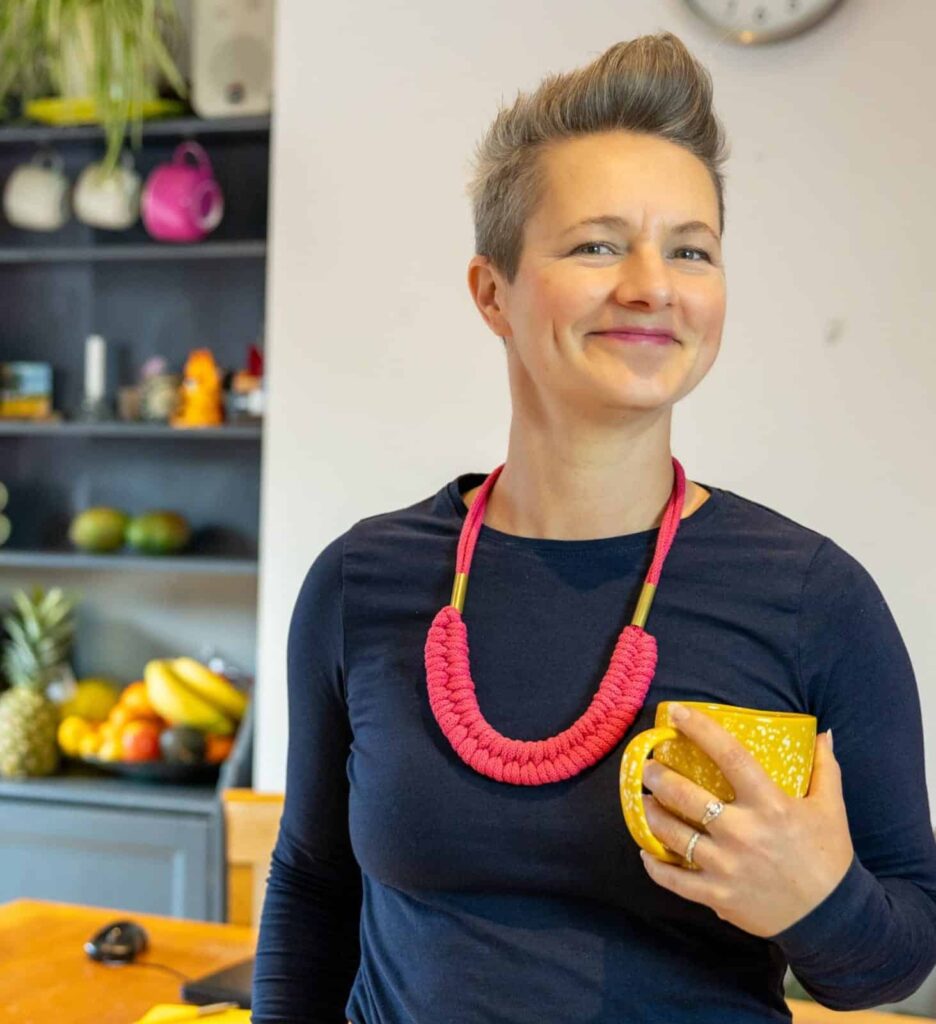
IBS Nutritionist
Hi, I’m Anna Mapson, registered Nutritional Therapist.
I help people with IBS and SIBO get control of unpredictable gut symptoms to find long term relief from painful and embarrassing IBS without restrictive dieting.
I can help you to:
- understand your digestion better, so you recognise your triggers
- eat a well balanced diet, with tasty meals that are simple to prepare
- reintroduce your trigger foods so you can get back to enjoying food again
Find more about my 3 month 1:1 Gut Reset programme.


